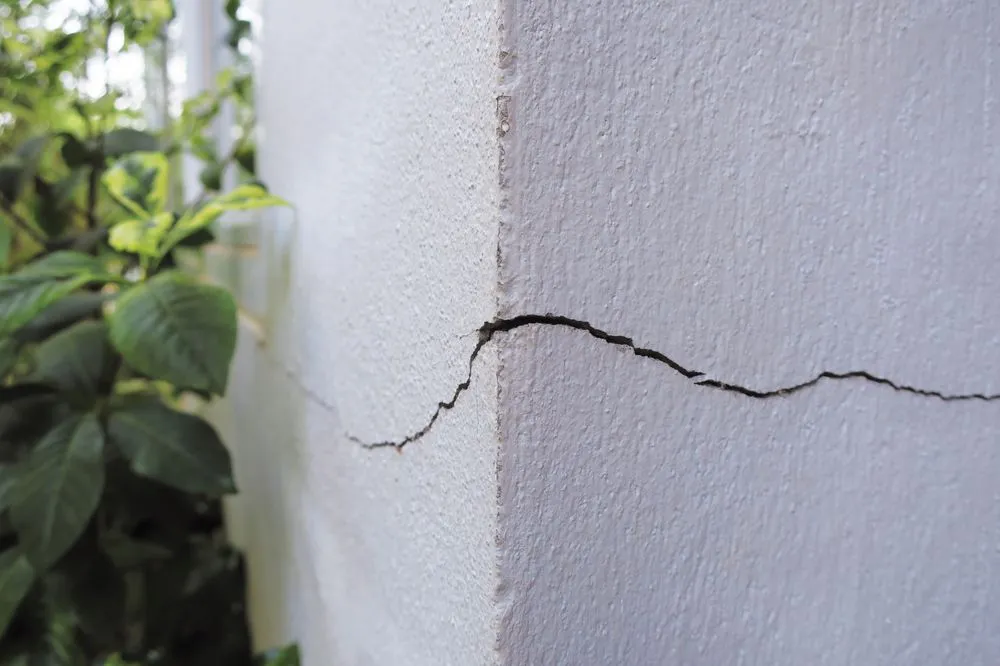
Earthquakes are caused by movement of the earth's crust, a natural event that happens continuously, every day, though mostly as small tremors. Whenever a strong earthquake occurs, it can damage the structure of houses and buildings
One common form of earthquake damage is cracks in the house, both inside and outside. Inspecting the house after an earthquake to find damage is something homeowners must do, to prevent settlement or collapse later
What causes cracks after an earthquake
Homeowners should take post-earthquake inspection seriously, because tremors can damage the structure of the house. Cracks can result from several factors, as follows
- Earthquake tremors When an earthquake strikes, the tremors affect the structure of the house inside and out, causing cracks that may appear in walls, ceilings or floors
- Unsuitable building materials Houses built with poor-quality materials, or materials that cannot withstand tremors, tend to show more cracks inside and out than houses built with strong materials or designed to resist tremors
Age of the house An old house or a structure that has deteriorated over time may crack easily after an earthquake, even if the tremors are not very strong

Checklist for cracks in the house after an earthquake or tremors
After an earthquake, or when you feel tremors, inspect the house using the checklist below to make sure there is no damage that endangers the structure. Pay particular attention to cracks that are diagonal, horizontal or wider than 5 millimetres. If you find any, have an engineer inspect urgently
Check for cracks inside the house
- Cracks in walls Check interior walls, especially those connected to key structure, such as walls with doors or windows. Cracks in walls may be a sign of structural movement
- Cracks in ceilings Cracks in the ceiling may be a sign of leaks caused by movement of the house structure. We recommend checking every part of the ceiling
- Cracks in floors If you find cracks in the floor, check whether they come from movement of the floor or are a sign of compression from impact
Check for cracks outside the house
- Cracks in exterior walls Check painted or coated exterior walls for chipping or flaking
- Cracks in the base of the house especially where it meets the ground. Cracks here may indicate a serious problem
- Check the plumbing because tremors can twist, break or cause leaks in pipes
- Check the electrical system to be sure nothing is twisted, broken or damaged
- Check the carport or extensions for cracks, settlement or leaning of the structure, and the electrical and plumbing work
Check the risk to the main structure of the house
- Are there cracks in beams and columns? Cracks in beams or columns may affect the main structure and should be inspected by a specialist engineer
- Check doors and windows Open and close every door and window to check for anything unusual. If they stick or do not close fully, there may be damage from the tremors
Looking after the house after an earthquake
After checking for cracks, make targeted repairs and inspect the house regularly to stop problems spreading. If you find serious damage or cannot repair it yourself, consult an engineer or specialist in house inspection and repair, because leaving it may lead to settlement and collapse
Carport roof extensions with ROOVTECT: built to handle tremors and reduce damage
If you are looking for a high-standard carport roof extension that handles earthquake tremors and reduces damage, ROOVTECT carport roof installation is ready with design that suits your use, whether a carport roof to protect the car from the weather or a more convenient parking area
Our professional architects and engineers advise from the start through to real use
- Installed with the Knockdown system: made at the factory, with parts assembled on site
- JIS-standard steel, with designs adaptable to your needs
- Attractive design, with many materials to choose from to match the house
- 5-year structural warranty and 2-year warranty on awning components
- For more information or a consultation, call 02-096-3464 or LINE: @roovtect
References
- How to carry out a basic inspection of “buildings after an earthquake”. Retrieved 12 May 2025 from https://www.bsa.or.th/images/column_1346204005/B6.pdf
- Earthquake myths – why earthquakes are happening more often. Retrieved 12 May 2025 from https://thaipublica.org/2012/06/why-earthquakes-occur-frequently/