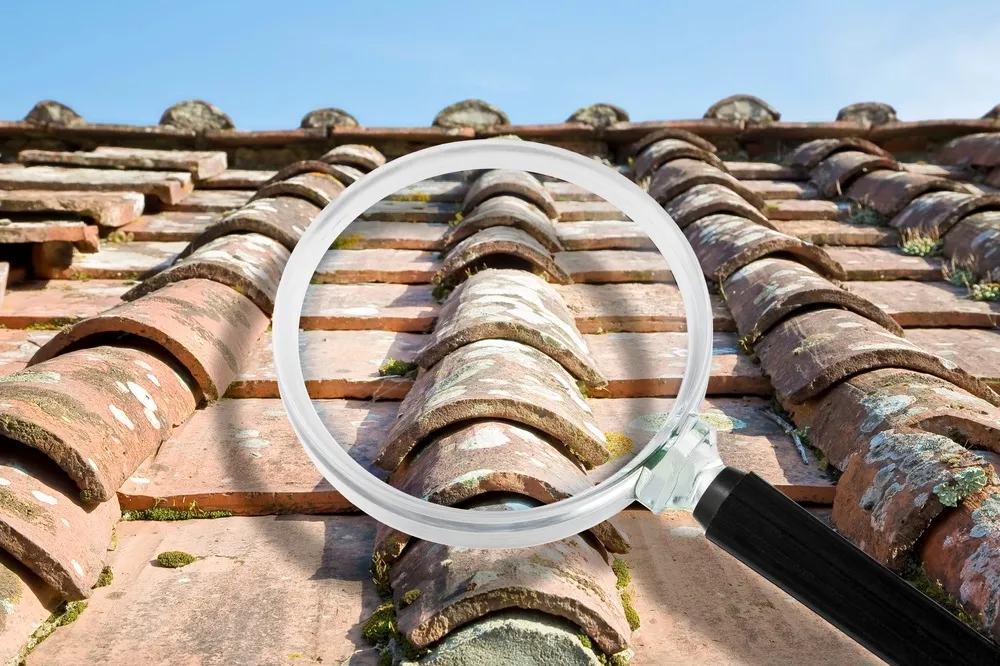
A deteriorated or damaged house roof can lead to serious damage to the structure and belongings inside. Prompt inspection and repair are therefore very important. You can start checking for roof deterioration easily yourself, from outside and inside the house, to prevent leaks and the decay that can follow
The roof is a vital part of the house for protection against each day's weather, whether rain, severe storms, sun or strong wind. A sound, strong roof keeps people, pets and belongings safe and comfortable. A deteriorated or damaged roof can feel unsafe and cause serious damage

Common roof deterioration problems and how to fix them
Roof deterioration and damage affect both the original roof and extensions. The common problems are as follows
Problems with the original roof
Cracked or dislodged tiles
Usually caused by strong wind or thunderstorms. Tiles crack or come loose easily in heavy rain or strong wind, and water can leak through the joints
How to fix
- Replace damaged tiles Replace tiles that are cracked or loose, to prevent leaks and strengthen the roof
- Check the joint system Have a roofer check the joints between tiles and other roofing materials, to prevent leaks later
Deteriorated ridge and capping
If screws are loose or rubber seals have aged, heavy rain may flow back into the structure, causing leaks in unexpected places. Left for long, structural problems may follow
How to fix
- Replace rubber seals or loose screws Check screws and rubber seals regularly. If they have deteriorated, replace them promptly to prevent damage
- Install backflow protection to stop water flowing back into the house structure
Rusty roof frame or rotten timber structure
Caused by damp building up over time, especially if gutters are not cleaned regularly and leaves block them, so drainage is poor and water pools, making the roof deteriorate faster
How to fix
- Clean gutters regularly to prevent standing water that cannot drain efficiently
- Repair the damaged roof frame If the roof frame is rusty or the timber rotten, repair or replace it as soon as possible
Problems with extension roofs (carport/front of house)
The joint between the original roof and the extension is not tight
because of poor installation or unsuitable materials, letting water leak in, especially in heavy rain
How to fix
- Improve the installation Use suitable materials and seal the joints tightly at every point, to prevent leaks
- Use high-quality rubber seals which reduce leaks at joints effectively
Unsuitable slope
A roof designed with the wrong slope drains poorly, so water pools and leaks easily
How to fix
- Adjust the roof slope for better drainage, sloping the roof towards the drain at a suitable angle
- Install an efficient drainage system so drainage works well and service life is extended
Mismatched materials
The extension roofing does not match the original roof of the house. When the two expand at different rates, leaks can result
How to fix
- Choose compatible materials Materials that expand or adjust at the same rate prevent the materials from separating
- Adjust the material installation Check that the installation is firm and tight, to prevent leaks

How to check for roof deterioration yourself
Many people think checking for roof deterioration is a job for specialists only. In fact homeowners can do an initial check themselves and call in a specialist to inspect and repair if anything looks wrong, for safety. Here is how
Check from outside
- Look from a high point of the house or from the house opposite, or photograph it with a drone, and look along the whole roof. If any part sags or is out of line, or tiles are cracked, loose or unusually faded, inspect promptly
- Check the roof joints which are often where leaks are most likely. If you find a suspect spot, test it by spraying water or call a specialist to look
Check from inside the house
- Look at ceilings and walls especially in the rainy season. If you find water stains or tide marks from leaks, with built-up damp or a musty smell on walls or ceilings, inspect thoroughly at once
- Simulate rain In dry weather, spray the roof with a hose to help find leaks, then inspect and repair before the heavy rains
Choose ROOVTECT to reduce leaks in front roof and carport extensions
If you want afront roof extensions orcarport roof extensionthat is durable, needs few repairs and keeps water out effectively, ROOVTECT is ready to advise and design a roof that suits your use, with professional installation and a wide choice of roofing materials, includingShinkolite, solid polycarbonate andVinyl Importantly, our professional engineers and architects are ready to advise and design a roof for your every use, with high-quality materials and installation to standard
For more information or a consultation, call 02-096-3464 or LINE: @roovtect
References
- 6 common roof leak points and how to stop them recurring. Retrieved 29 December 2025 from https://www.toagroup.com/th/blogs/toa-tips-how-to/111/roofseal-toa
Frequently asked questions about roof deterioration (FAQs)
Q: For a deteriorated house roof, is spot repair or full replacement better?
A: It depends on the level of damage and the age of the roof. If the problem is minor and limited to one spot, such as a cracked tile or a clearly leaking joint, spot repair is enough and cheaper. If the roof structure is starting to rust or decay, or problems recur at many points across the roof, full replacement gives greater confidence in safety and a longer service life
Q: How often should a house roof be checked?
A: As prevention, do an initial check yourself at least 1-2 times a year, especially before and after the rainy season, when damage occurs easily. If possible, have a specialist inspect thoroughly every 3-5 years, to check points that are out of sight or hard to reach, such as the ridge, rubber seals and internal structure
Q: What should I do if I find a small water stain on the ceiling?
A: First, try to find the point on the roof above where water is getting in as quickly as possible, by looking from outside or simulating rain. Once you have a clear location, contact a specialist promptly to repair it, to prevent built-up damp leading to structural problems, mould or greater damage over time