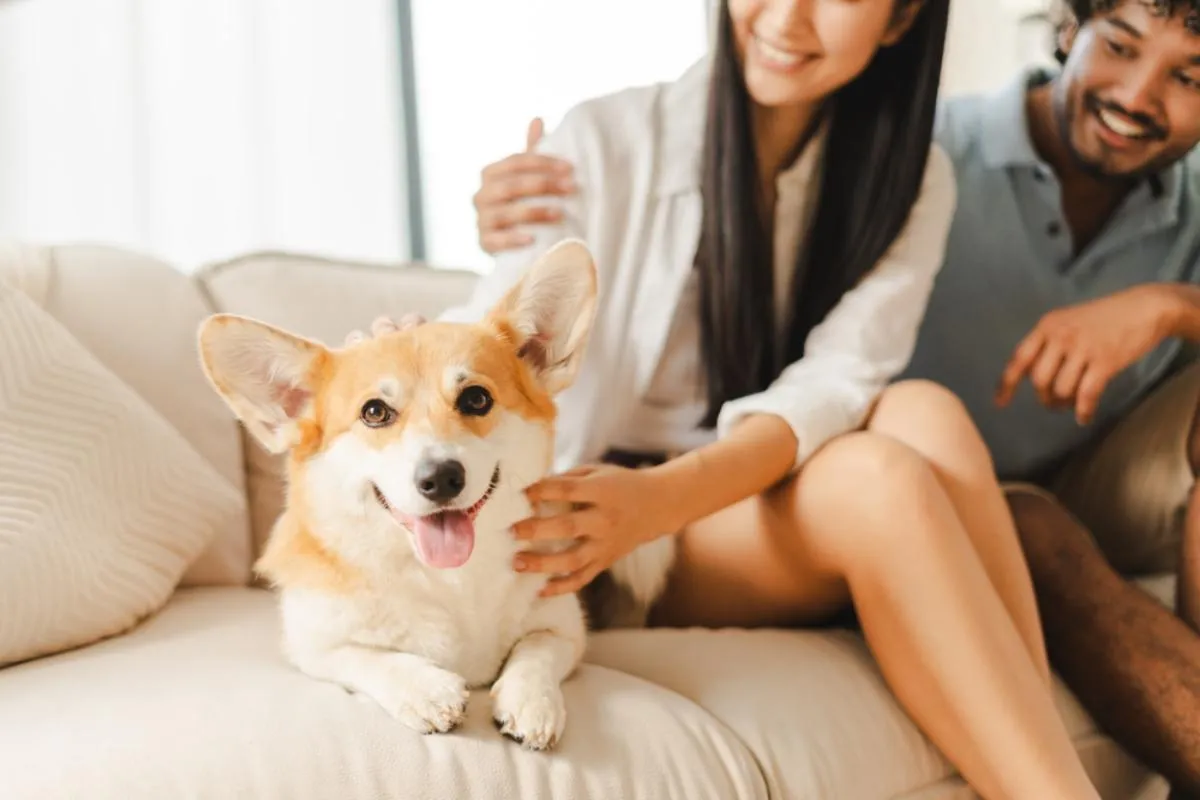
Good dog house design should start from understanding “a dog's daily life”, not just outward looks. It must consider suitable proportions, safe materials, ventilation, damp control and clearly divided areas, along with structural strength. Designed around real behaviour and surroundings, a dog house is not just temporary shelter but a safe space that supports a dog's health, comfort and quality of life over the long term, and lasts without frequent repairs
Good dog house design not only gives your beloved dog a comfortable place to stay but also adds to its happiness and health. So when you plan a dog house within your property, besides deciding what kind to build, there are many factors to consider, so the dog's home is attractive, safe and long-lasting, and owner and pet are happy together every day
1. The dog house must fit the size of the dog
A good dog house should be in proportion to the dog's build: not so small that it is cramped, nor so large that it feels insecure. The simple rule is that the dog should be able to stand, turn round and lie stretched out comfortably, with room for activities too
For large breeds such as Labradors or Golden Retrievers, allow more room for getting up and down and for ventilation, while small breeds should have snug proportions, to feel warm and secure
2. Materials must be durable, safe and easy to clean
Materials are at the heart of building and designing a dog house, especially one in daily use. Good materials should have these properties
- Strong and not easily corroded, for durability in use
- No sharp edges or hazardous chemicals, which could harm the dog
- Do not absorb smells or damp, preventing a build-up of unpleasant odours
Importantly, the floor should be easy to wipe clean, non-slip and not hold damp, such as matt tiles or smooth polished concrete designed for pets, and the roof should use Smart Vinyl sheets solid polycarbonate orShinkolite to absorb noise and block heat at the same time
3. Good ventilation and damp control
A dog house without ventilation planned from the start may have poor airflow, often leading to mould, musty smells and heat build-up, especially in the rainy season or summer. Raise the floor 10-20 centimetres to keep out damp, and make vents on two sides so air flows through freely
As for position, avoid placing the dog house in a spot with no breeze or against a solid wall, and choose a side out of direct afternoon sun, so the inside does not get too hot. That is all it takes for a dog house free of damp smells and comfortable all day

4. Fences and doors must be strong and safe
Every dog has a different temperament: some are nervous, some like to climb or dig. Fence design and the choice of dog house should be based mainly on the dog's temperament and behaviour. Fences and doors must be strong enough to stop escapes and to keep out animals or outside dangers
The fence should be at least 30-40 centimetres higher than the dog's chest to stop it climbing out, and the gaps should not be wide enough for its head to pass through. The door should have a double lock or strong hinges, for the highest level of safety
5. Simple, comfortable design that suits the house
A good dog house does not need a complex design, but should be open, airy and practical, with few nooks and easy to clean. Importantly, it should match the style of the main house, so it does not look separate or cluttered. If you are unsure about colour, we recommend light grey, cream or beige, which suit every home style, and avoiding very dark colours, which absorb sunlight and make the inside hotter
6. Divide the interior for real everyday use
Dog houses usually have limited space, so it needs dividing clearly, to make it convenient to use, reduce musty smells and make cleaning easier. The areas needed are
- Rest zone: use a smooth floor, clearly raised above where food and water are placed
- Food and water zone: keep it separate from the bed, to prevent damp building up
- Activity zone: allow enough room to stand, walk or play with toys
7. Choose specialists in Tailor-Made dog house design and construction
If you want a dog house that really works over the long term, choosing a team experienced in structural work and home extensions greatly reduces problems later
Tailor-Made dog house design by a provider who can handle everything from design to construction gives you a dog house that suits the actual site, the dog's behaviour and the owner's budget, with no repeated rework, and confidence in quality, safety and a long service life
A good dog house is not just “somewhere for the dog to stay” but a space that helps the dog feel safe and comfortable with a better quality of life. Planning everything from size, materials and ventilation to the choice of specialist is what makes a dog house a worthwhile investment that lasts without frequent repairs
Want to design and build a home for your favourite four-legged family member? Contact ROOVTECT
If you are wondering what kind of dog house to build, ROOVTECT is ready to providedog house constructionindoors and outdoors to a high quality, meeting the needs of pets and owners of every kind. We have quality materials and a specialist team to advise and look after every step from start to finish. Every part is made in a high-standard factory and installed with the Knockdown system, saving time and ensuring a strong installation, with a quality warranty and after-sales service by professional staff. For more information or a consultation, call 02-096-3464 or LINE: @roovtect
References
Designing a home where pets feel comfortable, happy and safe. Retrieved 5 January 2026 from [https://www.baanlaesuan.com/264330/ideas/house-ideas/pet-wellbeing/]
Frequently asked questions about dog house design (FAQs)
Q: Does a dog house need a roof that blocks rain noise?
A: It should have a roof that blocks rain noise well. If the dog house is near noisy areas or heavy rain, roofing that reduces noise helps the dog stay calm and rest better, especially dogs easily startled by sound
Q: Should a dog house have storage space?
A: Yes. A small space for toys, equipment or food keeps the interior tidy and stops things being mixed into the dog's rest zone
Q: How far should the dog house be from the main house?
A: A suitable position is one where the owner can easily see and look after it, but not against a solid wall where no air passes, to prevent heat and damp building up