Key takeaways
The most direct and effective fix for a house made hot by sun through the windows is to block heat from outside, before heat radiation passes through the glass and builds up indoors, by adding awnings, facades or sun louvres to suit the direction of the sun, along with managing airflow and reducing the paved area around the house. These methods lower room temperature, reduce the load on the air conditioning and protect furniture better than relying on curtains or window film alone. Consulting engineers and architects to design a Shading system gives the house a beautiful design, a strong structure and a lasting end to heat problems
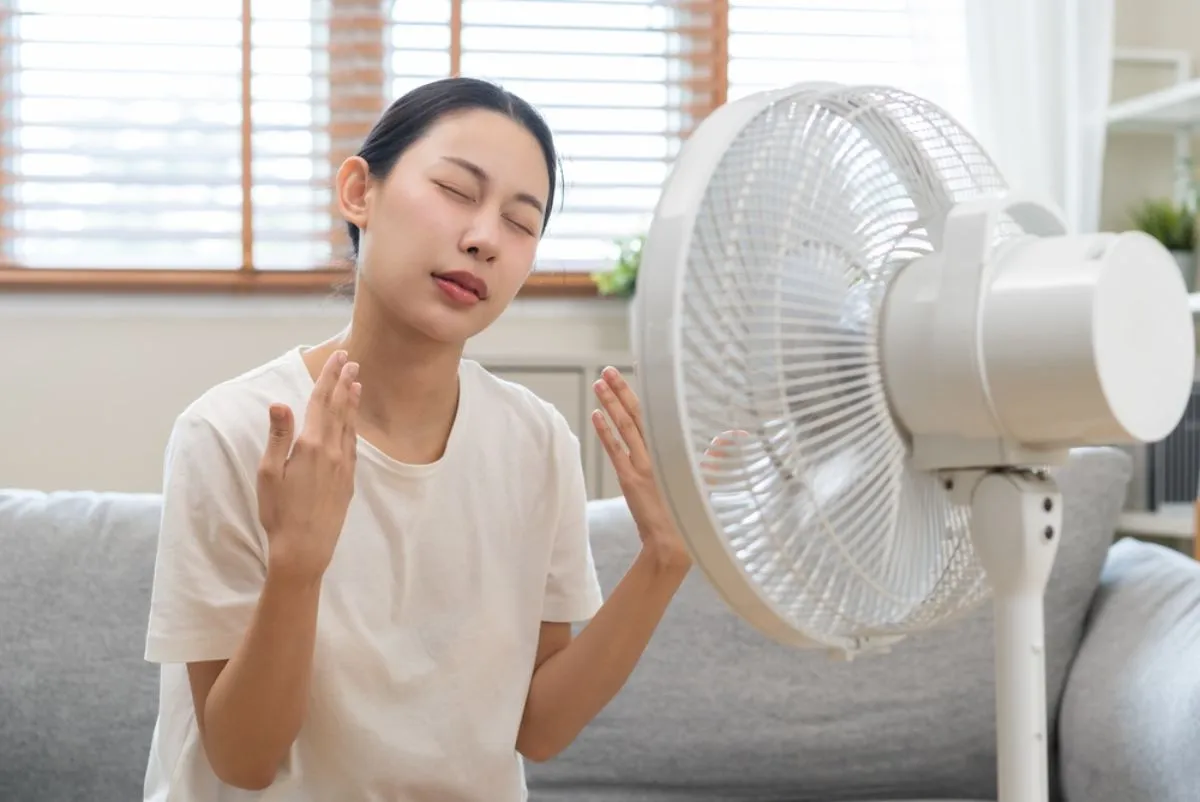
The house is beautiful, the furniture well placed and the air conditioning nicely cool, but by the afternoon it feels hot, stuffy and uncomfortable, especially in rooms with sun-facing windows. The problem is not that the air conditioning is too weak but heat building up from sun entering the house directly through the window glass
When sun shines through a window, heat is trapped in the room and slowly radiates back out, so the house is hot even with the curtains closed or the air conditioning on. In a house facing west or south with no external shading, the problem is even clearer. Fixing a hot house is therefore not just about adjusting the interior but starts with stopping the sun at the right point before it enters
How do heat and sun get into the house?
Before looking for what to do about a hot house, start by understanding how heat gets in and builds up in our homes. Generally it comes from these 3 causes
Glass windows take the sun directly
Glass is the main and easiest route for light and heat into the house, especially large windows or houses designed for the view but not designed with awnings for shade from the start. When heat radiation strikes the floor, walls or furniture in the room, these absorb the heat and slowly release it, so the room temperature rises quickly
The orientation of the house clearly affects heat
The direction the house or windows face directly affects how long and how strongly they receive heat, especially the south, which takes sun continuously all year, and the west, which takes the afternoon sun at the hottest time of day, making rooms too hot to use in the afternoon
Walls and the area around the house store heat
Concrete yards, exposed-aggregate floors or masonry walls in strong sun all day absorb and store a great deal of heat. In the evening these surfaces release it, so the breeze entering the house becomes hot wind and it feels even stuffier
The downsides of letting too much sun into the house
Letting the house get hot because too much sunlight comes through the windows affects not only the temperature but the residents' quality of life in several ways, as follows
- The house is hot, stuffy and uncomfortable to use, so it is less functional at certain times
- Heavier air conditioning use and more electricity, because the compressor has to work hard all the time to bring the temperature down to the set level, sending the electricity bill up too
- Glare that disrupts daily life: it hurts the eyes, makes TV or computer screens hard to see and disturbs work or rest
- Furniture and materials in the house deteriorate faster, such as timber floors, leather sofas, curtains and built-in furniture, which fade, turn brittle and break before their time
Simple, effective fixes for sun coming in and a hot, stuffy house
To end heat problems, make the house comfortable at all times and reduce the impact on daily life and belongings, we recommend 4 effective and lasting fixes:
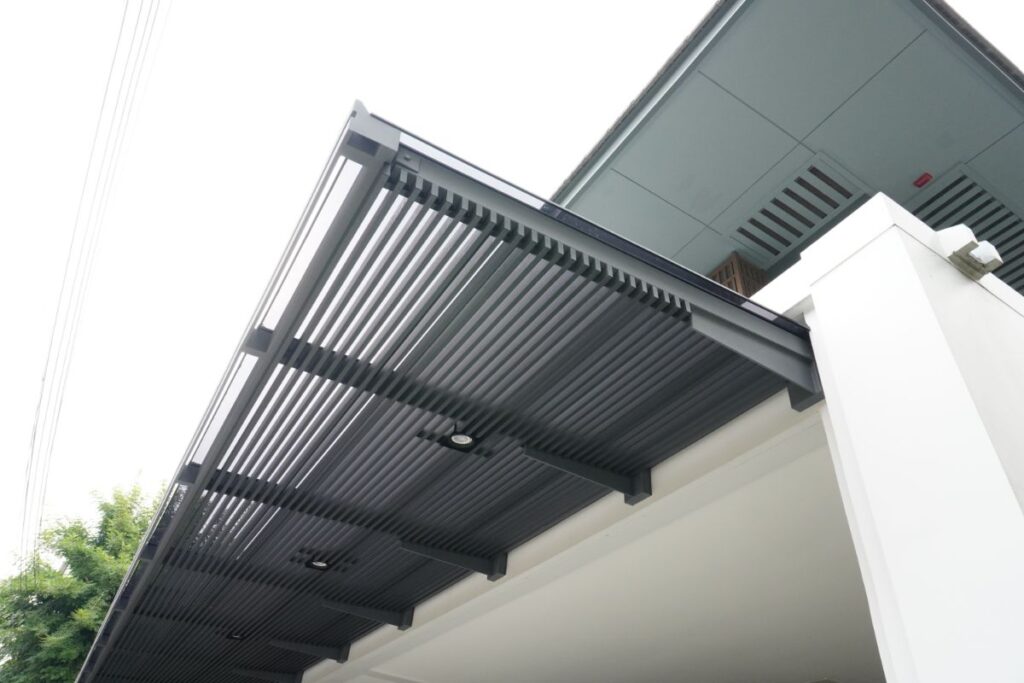
Reduce the sun striking the house with awnings, sun louvres or facades
This prevents sun through the windows at the source, because awnings, sun louvres andFacade block heat from touching the glass or walls directly. Each has different strengths, as follows
- Awnings: installed above windows or doors, they block high-angle sun and suit the south and west
- Sun louvres: suited to areas where you want to soften the sunlight but still let the breeze through, such as balconies or bedroom windows
- Facades: a building skin that reduces heat, redirects the wind and changes the look of the house as you wish
Add insulation and reduce heat-storing areas
Lay extra insulation, such as glass wool, above the ceiling, and try to reduce bare concrete around the house, replacing it with trees, lawn or grass pavers, to reduce heat building up and radiating back into the house
Arrange the house for good airflow and no trapped light
A good house needs a way for air to come in and go out. Opening windows on the shaded side to let cool breeze in, and on the other side to push hot air out, lowers room temperature well. Light colours for exterior and interior walls also reflect heat and light better than dark colours
Use other aids, such as sun-blocking curtains and window film
Finally, there is fixing a sun-heated house from the inside, whether with Blackout curtains or window film on the glass to reduce glare and UV. This should be done together with external awnings or louvres, for the most effective heat protection
A house made hot by the sun is not just a matter of temperature; it affects daily life, electricity bills and the life of materials in the home. An effective fix must start with stopping the sun before it reaches the house, whether with awnings, louvres or facades, then add interior measures. Fixed at the right point, the house becomes noticeably cooler and more comfortable in the long term
If your home has sun through the windows turning rooms into an oven, planning anawning extension or choosing a Shading solution to suit the sun direction of the house reduces heat more directly than treating the symptoms. If you are looking for a team to design and build an awning that suits the existing house, and to advise onhow to choose an awningthat works for both function and design, ROOVTECT is ready to assess the site and design something practical, beautiful and durable, with no need to come back and fix it later. Service by experienced architects and engineers. For advice, call 02-096-3464 and LINE OA: @roovtect and book a time to talk with our specialists atour showroomtoday
References
- 10 easy ways to get a hot house under control. Retrieved 6 May 2026 from https://www.toagroup.com/th/blogs/toa-tips-how-to/159/solving-house-heating-problems
Frequently asked questions about hot houses and sun through the windows (FAQs)
| Question | Answer |
|---|---|
| I fitted 100% Blackout curtains, so why is the room still hot? | Because the curtain is on the inside of the glass. When the sun shines through, heat is trapped between the glass and the curtain and slowly spreads into the room. Shading from outside with an awning or louvres is therefore far more effective at blocking heat |
| How far should an awning project to shade just right? | It depends on the direction and angle of the sun. Normally a window awning should project at least 1-1.5 metres, but on the west, where the sun is low, you may need an awning together with vertical sun louvres to block the evening sun. It is best to have an engineer or architect assess the distance on the actual site |
| Can I plant large trees for shade instead of adding an awning or louvres? | Yes, but you have to wait for the trees to grow and risk roots working into the foundations. An awning or facade works immediately, controls shade precisely and needs no pruning over the long term |
| Which awning material blocks heat without making the house dark? | A Shinkolite roof or translucent solid polycarbonate reduces heat while still giving light, but on a side with very strong sun an opaque roof such as vinyl blocks heat better |