Translucent awnings are a popular choice for extending the space around a home, because they block both sun and rain while still letting in natural light, keeping the space open and bright rather than closed in. They suit carports, balconies, walkways and outdoor relaxation areas
Still, many people wonder whether translucent awnings really reduce heat, and which material to choose. This article explains how translucent awnings help control heat, with guidance on choosing a material to suit your space and use
Key Takeaway
- Translucent awnings block sun and rain while letting in natural light, so the space is not too dark or closed in
- How well they reduce heat depends on the material, light transmission level, sun direction and ventilation
- Popular materials are acrylic, polycarbonate and glass, which differ in clarity, weight and heat control
- Choose a translucent awning to suit the actual space, with a properly designed slope, joints and drainage
- Design and installation by specialists makes the awning work for design, strength and long-term use
Do translucent awnings really reduce heat?
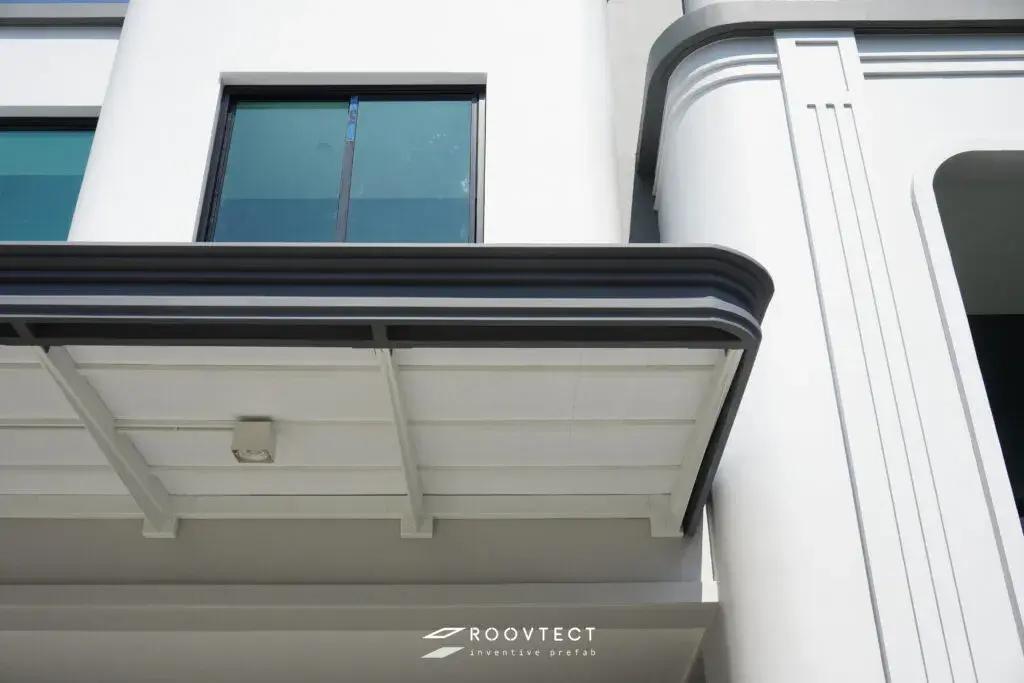
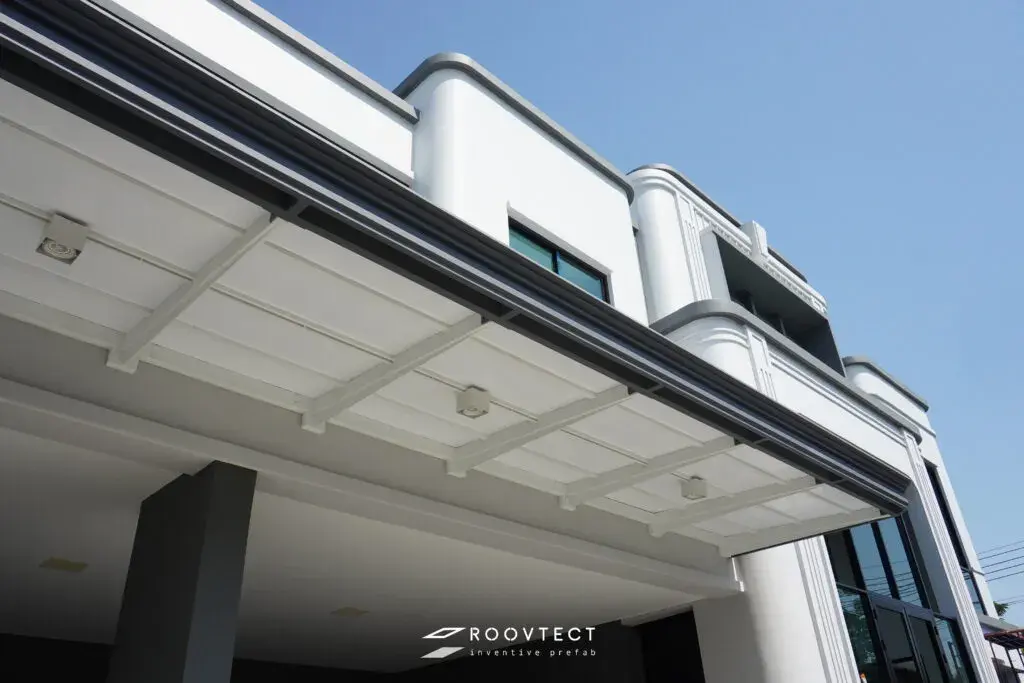
Translucent awnings can reduce heat if you choose a material with the right properties, because translucent does not mean equal heat protection. Choosing a translucent roof means looking at the whole picture: how much light passes through, sun direction, roof design and ventilation. All of these affect how much light and heat reach the space under the roof, so consider them together before choosing a material and awning style
What spaces suit a translucent awning?
Translucent awnings suit spaces that need protection from sun and rain but still want natural light so the atmosphere is not too closed in, such as carports, balconies, side walkways and relaxation areas. For areas in strong sun, choose a material with especially good heat control for more comfortable use
Which translucent awning materials help control heat?
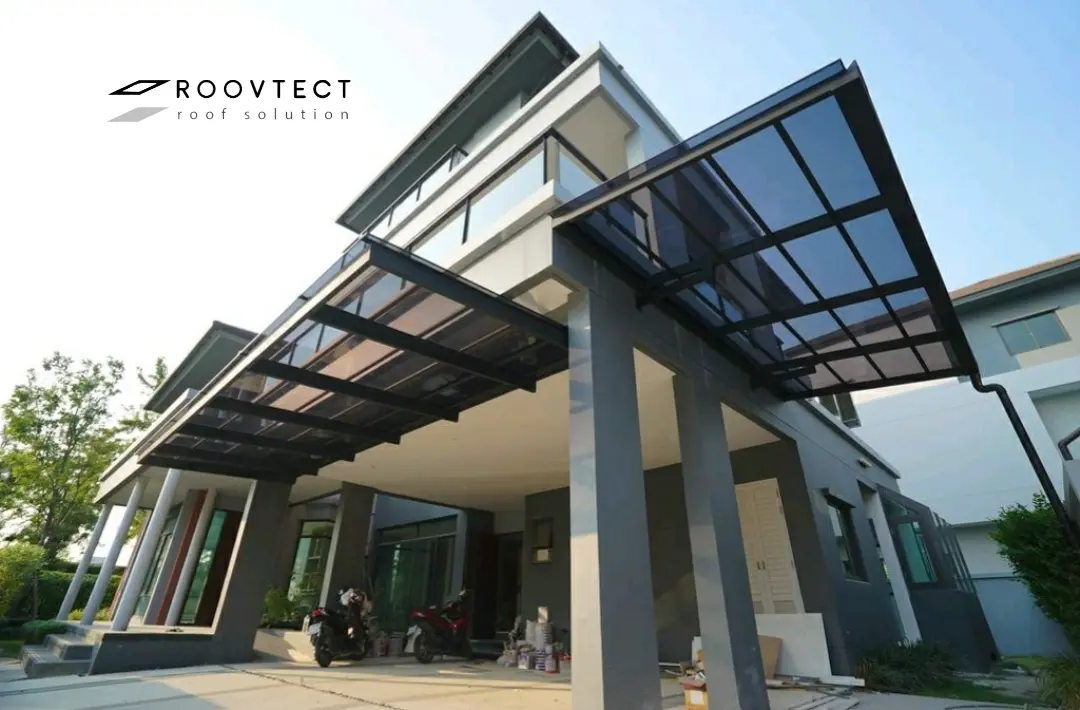
Each type of translucent roof sheet controls heat differently, so before deciding which roofing to use, check that it suits both the space and the use. The main materials for translucent awnings are as follows
Acrylic
Acrylic is a translucent material with a smooth surface that brings natural light into a space well. It comes in many shades and light transmission levels to suit the use. Some acrylic models help control heat and block UV, making them suitable for awnings that should feel open and match the design of the house
Polycarbonate
Polycarbonate roofingis a translucent material known for toughness, light weight and impact resistance, available clear or tinted. Heat protection depends on the type and properties of the sheet. It suits carport awnings, walkways and areas around the house that need strength along with natural light
For carports, material choice should be considered together with the structure and actual site conditions. ROOVTECT designs and installs awnings, selecting the type and specification of material to suit the space, structure and use of each project
Glass
Glass is clear and lets in a lot of natural light, so it suits spaces that should feel open and airy with a clear view of the sky or outdoors, and its clean look goes well with modern homes. However, glass is quite heavy, so the structure and fixing system need particular attention. For roofs, choose glass suitable for overhead installation, and if it takes direct sun, choose heat-reducing glass so the space below does not get too hot or glaring
How to choose a translucent awning for your space
Besides the type of material, choosing a translucent awning means weighing the following factors to suit the space and use
Check sun direction and timing
Notice whether the area gets morning or afternoon sun. If it gets strong, continuous afternoon sun, choose a material with heat control suited to the space. Areas with little sun can use a clearer material that lets in more light
Choose the right light transmission level
The more light an awning sheet lets through, the brighter the space, but glare and heat build-up may follow. Choose a level of clarity that fits the use; a carport, for example, does not need sheets as clear as a relaxation area
Consider heat-control properties
Look at further material data such as heat radiation reduction and UV protection, especially for areas in strong sun, because materials that look alike can perform very differently on heat. If unsure, consult a provider who can assess sun direction, the site and material properties to choose a specification that suits real use
Design the slope and ventilation under the roof
A good translucent awning should slope enough for water to run off well, with gaps for air to flow to reduce heat build-up under the roof, as well as pooling and leaks over time. For extensions attached to an existing house, have craftsmen experienced in joining carport awnings to existing structures assess the joints, roof level and drainage from the start, so the new work functions properly with the existing structure
Pros and cons of translucent awnings
Pros
- Lets in natural light well, so it is not too dark or closed in
- Blocks sun and rain, suitable for carports, balconies and areas around the house
- A wide choice of materials, colours and clarity levels
- Feels open and light, and suits modern homes easily
- Some models help reduce heat and block UV
Cons
- A roof that is too clear may cause glare and heat build-up
- Heat reduction varies by material type and model
- Slope, joints and drainage must be designed properly
- Clear or translucent surfaces show dust and dirt, so they need periodic cleaning
Translucent awning design and installation by ROOVTECT
A translucent awning chosen to suit the house lets you set the amount of light and how the space is used more appropriately. So besides comparing translucent roofing materials and prices, the quality of design and installation is another important part not to overlook
If you are looking for a provider ofawning installationfull-service installation with after-sales service and convenient contact channels, ROOVTECT is ready to help, with architects, engineers and craftsmen specialising in carport awning design and installation. We deal with leaks by selecting standard-compliant materials, so your extension works for both design and use, with after-sales service, a 5-year structural warranty and a 2-year component warranty
For more information call 02-096-3464 or LINE: @roovtect
Frequently Asked Questions (FAQ)
Are translucent awnings hard to maintain?
No. Just clean the roof sheets periodically and check joints, gutters and fixing points to prevent stains, pooling and leaks over time
How should the structure be designed for a translucent awning?
Design the structure to suit the type and weight of the material, the size of the area, the slope and the drainage, and consider the connection to the existing house structure, for strength and fewer leak or settlement problems later