Key takeaways
Decorating a home to be pleasant and comfortable must start with “the right order of thinking” not with decorative items. The first step is to clear things out and set up a clear storage system, to see the real space. Then divide it into zones so each activity has a clear boundary, reducing overlap and clutter. Next, use light, colour and materials that fit real life to create an airy, relaxing atmosphere. If there is still not enough space, a planned extension designed with the existing structure in mind adds function without creating long-term problems. A pleasant home is therefore not the most beautiful one but one that is practical, easy to look after and fits everyday life
Have you ever wondered why the house looks good and the furniture is well chosen, yet living in it feels uncomfortable, cramped or cluttered sooner than expected? The problem is not unattractive things or too small a budget; it mostly comes from decorating while skipping important steps
Decorating a pleasant home should not start with expensive things or ideas seen on social media, but with organising the home to support real life. We take you step by step, from organising, zoning and using light, colour and materials to extending the space, so the home is truly comfortable day to day, fully functional and needs no fixing later
Step 1: Organise the home before thinking about decoration
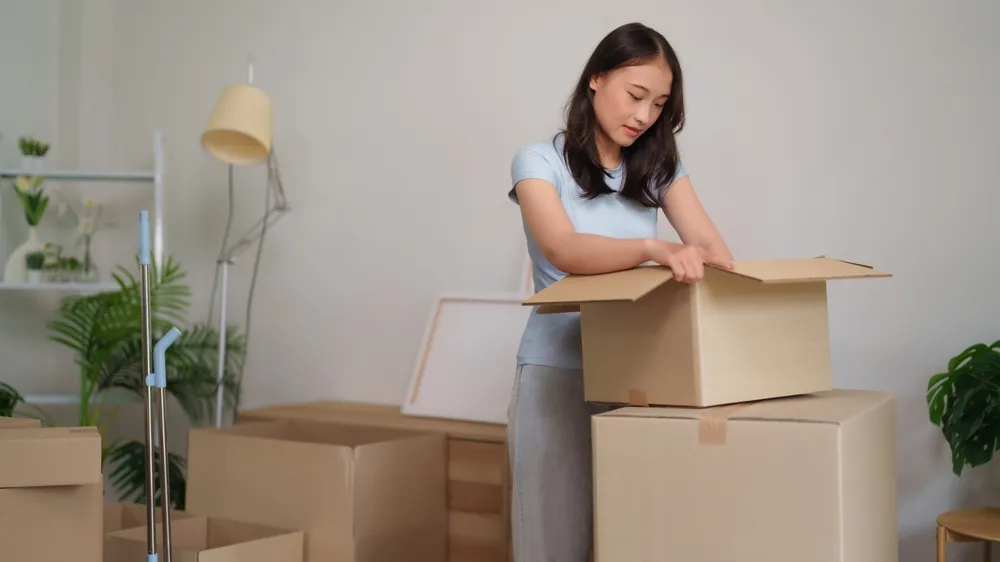
A pleasant home always starts with an uncluttered one. Many people wrongly think a home is cluttered because it is small, but in reality clutter usually comes from storing things without a system. Unused things that are kept slowly eat up space and create a cramped feeling without your noticing
The ‘reduce before adding’ idea cuts the chaos of a space
Arranging a pleasant home should not start with buying new things but with removing what is unnecessary first. A home with more than it needs looks crowded and creates a cramped feeling without your noticing
A practical way to start is to choose the most-used room, such as the living room or kitchen, and see which items have not been used for a long time. If something has not been used in 12 months and has little sentimental value, consider removing it, so you can see the structure of the room more clearly. This makes design decisions in the next step easier, because you know how much real space is left and what functions you need
Give everything a clear place and the home looks more open at once
After reducing, the next step is to reorganise storage. Everything should have a regular place, not be stored wherever is convenient for the moment. Importantly, frequently used things should be easy to reach, while rarely used things go high up or at the back. Thinking about storage this way makes the home look more open at once, without changing any furniture
Step 2: Zone clearly and the home becomes easier to use
Good home decoration must answer clearly what each space is for, because one space serving several activities at once tends to make the home look messy without your noticing. You can zone in several ways without building new walls, such as
- Using a rug to define the sitting area
- Using a bookshelf to divide off a work corner
- Arranging the direction of furniture to mark the boundary of an activity
Wet zones such as a heavy-duty kitchen or laundry should be clearly separated from rest areas, to reduce damp, smells and dirt building up in the main space
The downsides of not zoning the home
- Spaces overlap without your noticing, such as the dining table becoming a desk and finally a place to dump things
- Things get mixed together, so tidying has to be done more often and cleaning is harder
- Storage is harder because there is no regular place for each type of activity, making things awkward to reach
- Work space mixed with rest space makes it hard for the brain to switch modes, so you feel tired or stressed or cannot rest fully
Step 3: Use light, colour and materials to make the home airy and comfortable
Once the structure of use is clear and the space zoned, we come to decorating and adjusting the atmosphere with light, colour and materials, elements that greatly affect how a home feels
How to choose interior colour tones
In decorating a small home, use bright or natural tones as the main colour, because they reflect light and make the space look bigger. Dark colours can be used as accents in small proportions to add depth, but not on every wall, as that makes the room look heavy and cramped
Arranging natural and artificial light
Natural light is a key aid in bringing a home to life. If the house is rather enclosed and you want it to feel pleasant, try moving furniture so it does not block the windows, or changing heavy curtains for sheer ones, so light gets in during the day
For artificial light, choose a tone to suit each area. Rest areas should use warm light for a relaxing feel, while work areas should use slightly brighter, clearer light for comfortable eyes while working
How to choose materials that suit living
- Choose materials to suit the nature of the space, especially wet zones and areas in strong sun all day
- Durable and easy to clean, reducing the burden of long-term care
- Consider real life: a home with small children should avoid materials with sharp edges or that break or mark easily, and a home with pets should choose materials that resist scratches especially well
- Always ask to see material samples in natural light, or ask the installer about real experience of use, first

Step 4: Add storage and usable space with an extension
If the home is organised and zoned but still feels cramped, it is a sign that decoration alone may no longer be enough. A planned home extension is then an option worth considering
Kitchen and laundry extensions
Akitchen extensionwith the laundry zone separated from the main house reduces smells and damp, keeps the interior clean and tidy, makes storing equipment more systematic and reduces things scattered around the house
Glass room extensions
A glass room adds usable space and takes in natural light very well, suited to a relaxation or work corner. But aGlass room extensionsneeds heat protection and joints designed in detail, to prevent leaks in future
Carport and outdoor space extensions
ACarport Extensionor awning separates outdoor things from living space, reduces clutter in the house, makes daily life more convenient and protects the car from the weather. But the structure, gutters and wall connections should be designed carefully, to avoid leaks or structural damage in the long term
Step 5: Choose an extension that covers both design and function
A good extension should start with design, not with improvised fixes on site, for the best value from the investment and to make decorating a pleasant home easier
A guide to planning an extension efficiently
- Analyse the problem precisely: whether it comes from too little space, an unsuitable layout or structural limits, so you fix the right thing and do not overspend
- State clearly what the new space is for and how often it will be used, to set the right size, materials and systems from the start
- Material weight, projection and drainage must relate to the main house, to prevent leaks or a sagging structure in future
- Plan the budget and order of work clearly, to reduce the risk of overruns and long-term rework
Choosing materials and structure to suit real use
Finally, extension materials should not be chosen on looks alone. Consider structural weight, wind load, sun direction and long-term maintenance. Materials that blend with the existing house and withstand the weather keep the home looking good and liveable for a long time
Decorating a pleasant home is not about buying more things or choosing fashionable decoration, but about getting the order of thinking right: start by organising, zoning and using light, colour and materials properly, and when space runs short, a planned extension is the key answer. Then add the decorating ideas or style you like, remembering that good design must rest on function that works, for a home that is comfortable in the long term
ROOVTECT offers a fullbuilds home extensionsservice, whether a kitchen, glass room, laundry zone or carport, designed by professional architects and engineers so the home is beautiful, comfortable and practical, with long-term use thought through, fewer repeat repairs and a better quality of life at home. For more information or advice on our home extension service, call 02-096-3464 or LINE OA: @roovtect
References
- Tips for arranging a pleasant, easy-on-the-eye home with no more clutter. Retrieved 19 February 2026 from https://www.ikea.com/th/th/ideas/home-organization-for-living-ideas-pub9bb5cdb0/
- Arrange a pleasant home and add usable space with simple techniques. Retrieved 19 February 2026 from https://radklao.com/home-organization-tips/
- 10 tricks for decorating a pleasant home that suits how you live. Retrieved 19 February 2026 from https://areeya.co.th/blog/content-hub/living-tips/creating-a-comfortable-and-livable-home/
Frequently asked questions about decorating a pleasant home (FAQs)
A: It depends on the scope of work. Organising and adjusting light and colour may not cost much, but with extension work, set the budget by area and structure, plus a 10-15% reserve
A: Consider multi-function furniture and more vertical storage, such as floor-to-ceiling cupboards, to use less floor space
A: Structural or systems work should be done before moving in, to reduce hassle. Minor decoration can be adjusted gradually according to real use
A: General home organising can be done yourself, but if the structure or systems change or space is added, consult specialist engineers and architects to reduce risk