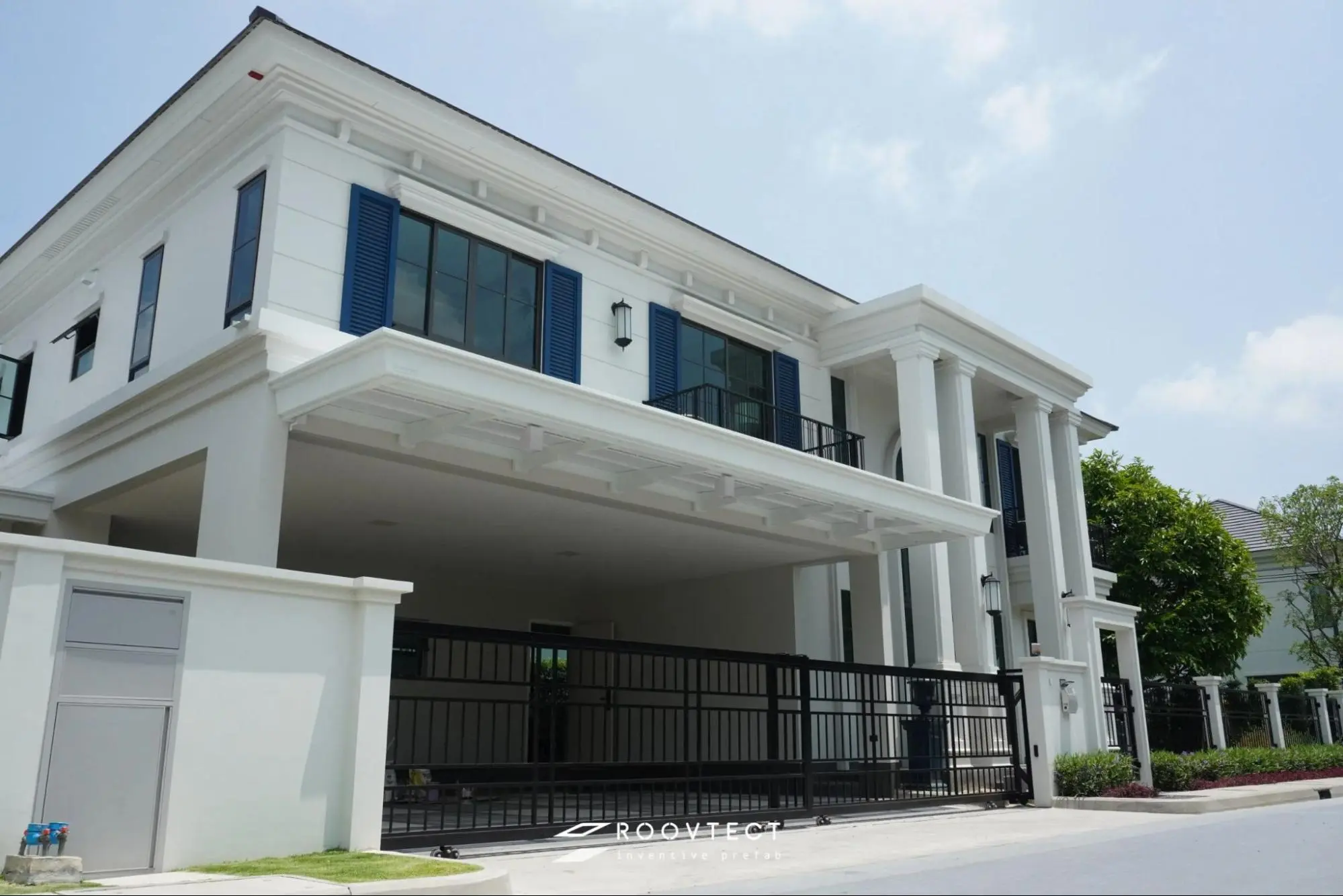
For a home extension to work as you need, besides form and space, the extension materials are another factor to match to the nature of the space and its use, because each type of material has different properties in strength, weight, maintenance and suitability for the surroundings
This article introduces the materials popular for extensions, both back kitchen and side extensions, and how to choose materials to suit the space and its use, so the new space suits the existing house
Key Takeaway
- Home extension materials should be chosen to suit the space and function, considering strength, weight, maintenance and the existing structure of the house together
- Materials for a front extension should relate to the usable space, sun and rain direction and the form of the house, so the new space suits the existing house
- A back kitchen extension on a THB 10,000 budget should prioritise functions and choose materials that fit the budget, taking structure and installation costs into account too
- Choosing a provider with a team of architects, engineers and installers makes site assessment, design, material selection and installation systematic
What are the 8 home extension materials?
There are many types of home extension material to choose from, depending on the nature of the space, type of work and function needed. ROOVTECTlooks after home extensions from site assessment, design and installation to after-sales service, so material selection and planning are right from the start
Steel
Steel is strong and carries load well, so it suits structural work and extensions that need stability. It can be applied to roof extensions or the structure of various spaces according to the site. Choose the size and form of the structure properly, with a specialist to assess it
Aluminium
Aluminium is a lightweight home extension material that is easy to maintain. It suits door and window frames or components where part weight needs to be kept down, and work that wants a neat finish in keeping with modern homes
Timber and wood substitutes
Timber feels warm and natural, suiting homes that want an atmosphere in keeping with the existing space. Wood substitutes come in many forms and reduce some of the limits of natural timber. They can be used for walls, ceilings or decorative elements in a home extension
Glass
Glass opens up views and brings natural light into a space, so it suits extensions that want openness and a connection between inside and outside. It can be used for doors, windows or partitions. Choose the type of glass to suit the location, and consider sun direction and use in the design
Shinkolite acrylic
Shinkolite acrylic is a material popular for extensions such as front roofs and awnings, with a wide choice of designs, becauseShinkolite roofs adds beauty to the space and supports everyday use, but the installation system should be planned to suit the site
Polycarbonate
Polycarbonate is not heavy and can be used for roofs or awnings. It suits an open-air back kitchen extension that wants natural light coming through, becausePolycarbonate roofingkeeps the space from looking too solid. Consider the sheet profile, structure and installation position to suit the space
Metal sheet
Metal sheet is a home extension material popular for roofs, because it is not heavy and adapts to many forms of space. It can be used for a back roof extension or areas that need added protection from sun and rain. Choose the colour, profile and installation system to suit the existing house and type of use
Vinyl
Vinyl is a material builders or home extension companies often use for roofs and extensions, because its profiles make a house look neat and modern. Importantly,vinyl roofsis also easy to maintain and comes in designs to suit the nature of the space, so it can be applied to many forms of extension according to the function needed
How do you choose home extension materials to suit the space?
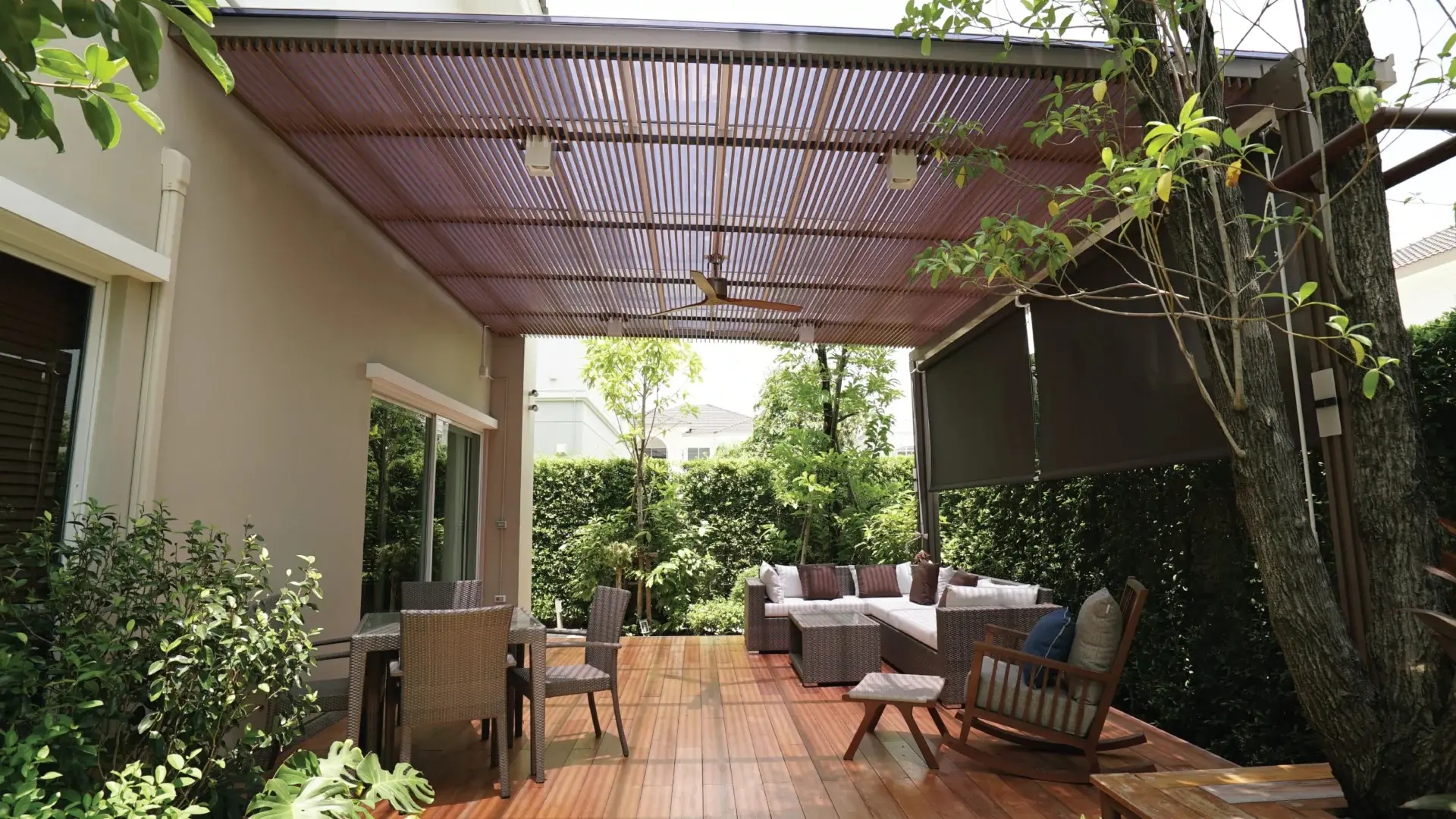
Choosing home extension materials should consider the nature of the space, type of use and limits of the existing structure. Here is our advice
- Consider the nature of the space before choosing materials See where the extension is and what sun, rain, damp or structural limits it has, to choose extension materials that suit the real surroundings
- Choose materials by function A kitchen, for example, may need to consider ventilation and maintenance, while a rest area may focus on natural light and openness
- Consider structure and weight Each type of material has a different weight, especially for large extensions. So choose a home extension contractor with clear working standards, from structural design and production of parts to installation, which ROOVTECT gives great weight to
- Choose materials in keeping with the form of the house Colour, texture and design should all point the same way as the existing house, whether a front extension or a side room, so the house as a whole reads as continuous
- Consider long-term maintenance Besides looks, see how easy the material is to clean and maintain, and how well it suits the climate and the way the space is used
So choosing home extension materials should consider the space, its use and structural details together, with a home extension contractor that has a team of architects, engineers and installers and manages projects systematically, such as ROOVTECT to set an installation method suited to each project
5 factors to consider before choosing home extension materials
1. Nature and function of the space
Start by seeing what the space will be used for, such as a back extension, kitchen extension or added rest area, because each function needs different material properties
2. Existing structure of the house
Before extending, check how much new work the existing structure can support. Choose a home extension company that specialises in design and extension and can plan the space to suit its use and the limits of the site
3. Weight and properties of the material
Each type of home extension material has a different weight and properties, so consider them in relation to the type of work and the supporting structure. Also look at load-bearing, maintenance and lifespan, so the material chosen suits the space in the long term
4. Climate and position of the space
The installation position affects the choice of material. Consider sun, rain, damp and wind direction too. A side roof extension or a space in direct sun, for example, may need materials and a roof form suited to the surroundings
5. Budget and long-term costs
Set a clear budget from the start and choose materials that fit it; they need not always be expensive. If you plan a back kitchen extension, for example, allocate the budget to cover structure, materials, related systems and installation, choosing materials by function and site conditions
Budget home extension materials: how to choose without affecting quality
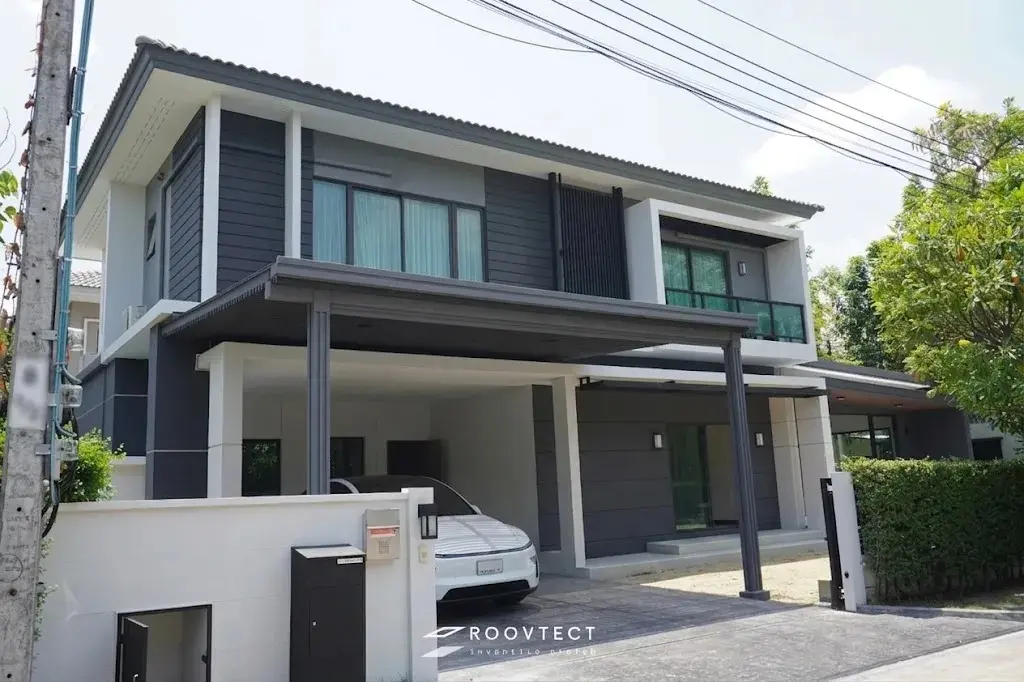
Choosing budget home extension materials should not rest on price alone. Consider properties and suitability for the space together, to control the budget without reducing quality
- Compare materials on properties and lifespan: Materials at different prices may differ in lifespan and maintenance. Choose to suit the nature of the space and real use
- Do not choose on unit price alone: The unit price may not reflect the full cost. Look at overall value, including the quantity of material needed and its lifespan
- Consider structure, labour and maintenance costs together: Once the budget is set, estimate every cost before work starts, and choose ahome extensionsor home renovation company with good standards
- Choose materials to suit the function, so you do not invest more than necessary: Consider what the space is for, then choose materials that suit real use. A back kitchen extension, for example, may focus on materials that are easy to maintain and suit the surroundings
Choose home extension materials with design by ROOVTECT
Choosing home extension materials should look at material properties, the form of the space and its use together, so the extension works for both Design and Function. ROOVTECT is a home extension company expert in modern materials and construction systems, designing to suit the form of the house and its use, whether a carport, kitchen, glass room, laundry zone or other space around the house
ROOVTECT gives weight to choosing standard-compliant materials suited to the work, and looks after everything from design and site assessment through to installation, with architects and engineers overseeing project details, plus after-sales service and a 5-year structural warranty and 2-year warranty on fittings
For more information call 02-096-3464 or LINE: @roovtect
Frequently Asked Questions (FAQ)
Which home extension materials suit a small space?
For a small space, consider materials that are not heavy and take in light, such as aluminium, glass or polycarbonate, chosen to suit the function and the existing structure of the house
How do you choose home extension materials to suit the budget?
Set the budget and the function you need first, then compare material prices, labour, extension contractors and long-term maintenance costs. Choosing home extension materials should focus on value and lifespan more than unit price alone
Should a builder or engineer check the existing structure before materials are chosen?
Yes, have a builder or engineer check the existing structure first, especially for work that connects to the house structure or adds weight to the space. You can consult a home renovation contractor with a structural team to assess the site