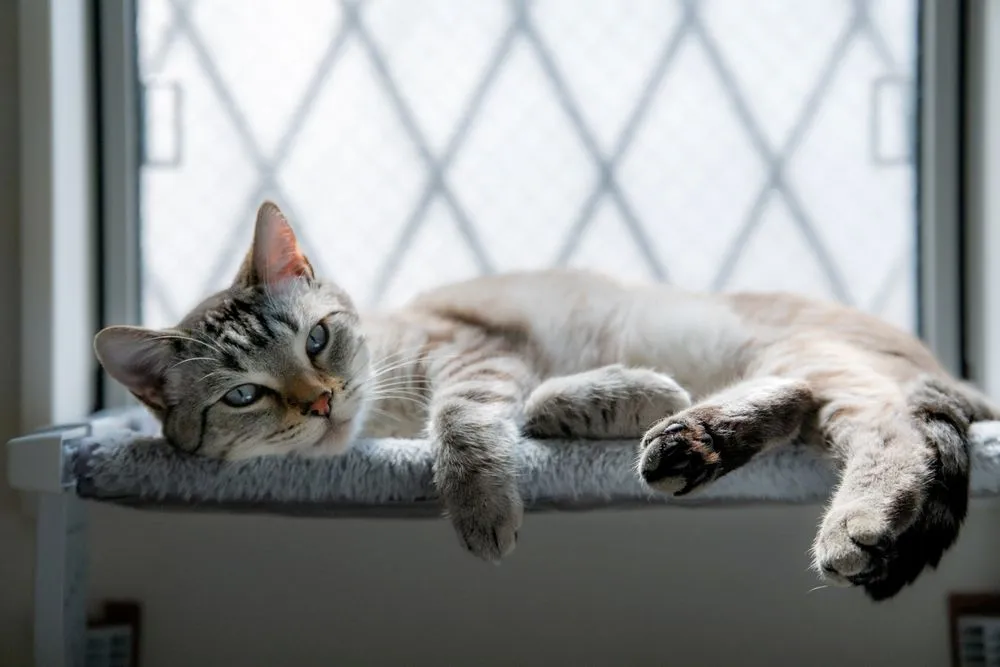
Because pets are not just company but important members of the family who make our lives complete, creating the perfect living space is not only about people's needs but also about the safety and welfare of our four-legged companions. So apet room extension at homeis not just about making a place to rest, but about designing a space that fits the behaviour and nature of each kind of pet, so they live safely and healthily and their owners can look after them conveniently
Is a pet room a good idea? Why it needs thinking through
Many people may see a pet room as wasteful, but it is really an investment in a good quality of life for pets and a lighter long-term care burden. Poor design can cause many problems, such as injured pets, stress, health problems from damp, or even lost pets. Planning ahead, from structure, materials and ventilation to usable space, is therefore very important
Techniques for designing a pet room at home
A pet room should be thought through from every angle. Here are the tips and things to consider
1. Choosing structure and materials
A pet room must be thought through carefully, because unsuitable design or structure may cause problems later. When choosing structure and materials, consider the following
Structural strength
The main structure should be strong and durable and withstand impact well, especially for large dog breeds or animals that like to jump. Consult a structural engineer to design it properly so it does not collapse
Fences and doors inside the pet room
They should be high enough to keep animals from jumping over or escaping. If the room has bars, consider the spacing so a pet's head cannot get stuck or pass through
Safe materials and surfaces
Choose flooring, wall materials and other items that are safe for pets, with no substances harmful to health, directly or indirectly, and avoid materials that are easily damaged or broken, such as glass or upholstered furniture
2. Choosing roofing
The roof matters too, because it not only protects pets from the environment but also supports a good life. A good roof should have these properties
Blocks sun, rain and heat well
The roof should block sun and water well. If extending from a lawn or open balcony, add insulation or choose heat-blocking materials. For animals that do not tolerate heat well or have long coats, air conditioning or a ceiling fan may be installed for comfort
Durable and long-lasting
Besides blocking sun and rain, consider durability and a long service life, so it does not need frequent replacement
3. Ventilation
A pet room at home must also have ventilation designed in, because it directly affects pets' health and hygiene
Good air circulation
A pet room needs windows or enough ventilation, such as vents or extractor fans, to prevent damp, unpleasant smells and heat build-up
Safety from insects and venomous animals
Fit strong, durable insect screens to keep out mosquitoes, insects and small animals that may carry disease and harm pets. They also stop pets escaping
4. Choose safe flooring
Beyond the above, think about the flooring, to create a safe space for your beloved pets
Choose flooring that is kind to joints
There are now floor tiles designed to cushion impact and reduce pet injuries from slipping or jumping, such as vinyl tiles and non-slip mats, made specifically to look after pets' health
Consider the sensitivities of each breed
Small animals such as rabbits or rodents, or animals sensitive to impact, need special bedding material to prevent injury to feet and joints
5. Design around the behaviour and nature of each breed
Beyond the above, a pet room at home should take into account the behaviour and nature of each breed, which differ as follows
Cats: little explorers
Cats like to climb and explore high places. Design in vertical space such as shelves, cat trees or raised walkways to suit their natural behaviour and keep them from stress when living in a limited area
Dogs: loyal companions
Medium to large dogs need room to run and burn off energy. Allow a fairly spacious area and choose a structure that carries weight and impact
Pets that love to dig
If you keep animals that like digging, such as terrier breeds or rabbits, set aside a special corner where they can dig safely, so they do not damage furniture or other surfaces
With several kinds of pet, divide the space into zones
If you keep several kinds or several animals, divide the areas clearly, to prevent stress from living together and reduce the risk of spreading infectious diseases

ROOVTECT builds pet house extensions to your needs
Adding a pet room at home is not just making a space for them but creating the most suitable and safest environment. The better you understand each pet's behaviour, the friendlier and more fitting the design will be
If you are interested in building a pet room at home, talk to ROOVTECT, professional specialists inhome extensions. We are ready to help you design and build the home and pet room extension of your dreams, whether adapting existing space in the house or building a separate Knock Down room that fits perfectly. With our experience and expertise in engineering and architecture, we are confident of creating a safe space that improves quality of life for pets and owners alike
For more information or a consultation, call 02-096-3464 or LINE: @roovtect
References
Pet Friendly Home: designing houses and condos for animal lovers. Retrieved 4 September 2025 from https://thestandard.co/life/pet-friendly-home/