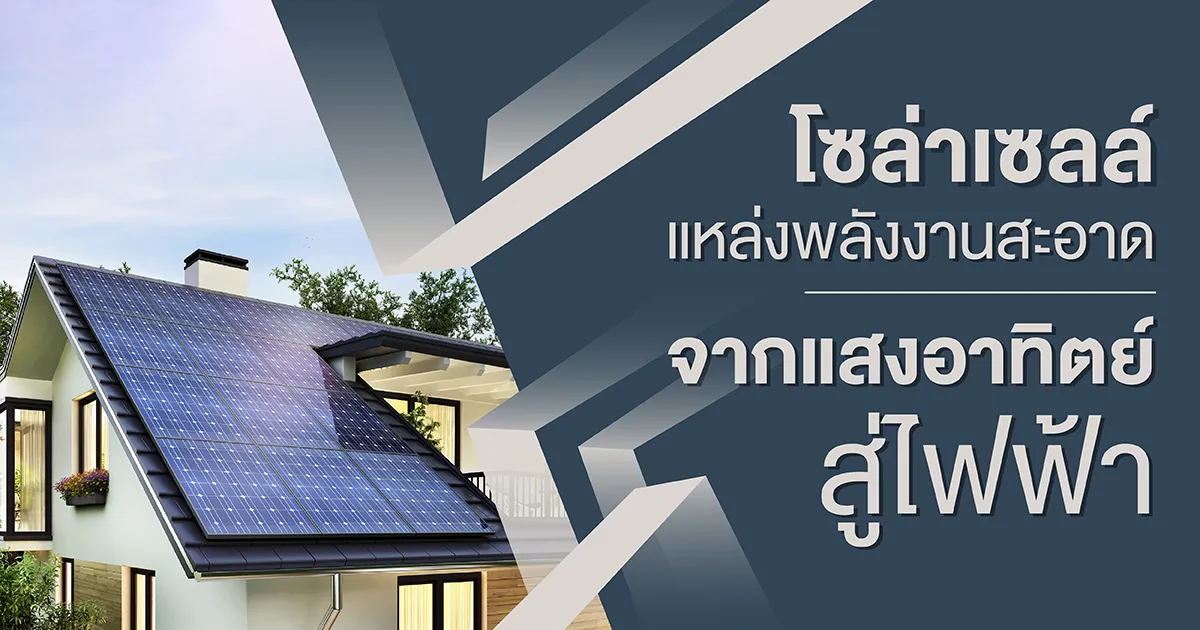
What is a solar cell? Many people have heard that solar cells are a source of energy from sunlight to electricity, useful for cutting energy costs and not complicated to install. In this article we get to know solar cells better
What is a solar cell?
A device that converts solar energy into electricity, in the form of a panel. Silicon semiconductor is processed scientifically into pure silicon wafers, and when light falls on the cell, the particles of energy in sunlight, called photons, generate an electric current. The use of solar cells has grown in popularity in recent years, thanks to their many benefits and rising awareness of the importance of renewable energy

Benefits of solar cells
The benefits of solar cells are certainly not just generating your own electricity without relying on or waiting for the grid. There are many more advantages when you decide to install solar cells
1. Solar energy never runs out
Because solar cells run on solar energy, a clean source that is unlimited, unlike other kinds of energy such as coal and natural gas. Solar energy amounts to as much as 173,000 terawatts (1 terawatt = 1 trillion watts), or ten thousand times the energy the whole world uses
2. Solar cells are environmentally friendly
Today, electricity generation releases large amounts of CO2 and pollution, the main cause of global warming. Using solar cells means not using energy that pollutes like other ways of generating electricity. As mentioned, solar energy is clean: the more it is used, the more it reduces global warming and is kind to the planet
3. Solar cells generate electricity anywhere there is sunlight
The main factor in generating electricity from solar cells is “sunlight”. Wherever you are, you can generate electricity as long as the sun reaches you. With less light, you get less electricity, but there is no need to worry that solar cells will not work once installed
4. Solar cells cut costs
Everyone can own the sunlight; you just need solar panels. They cut electricity bills and expenses. With access to sunlight, you use the energy free, without asking anyone first. The only investment is installing the system

How are solar panels installed on a roof?
Now that we know the benefits of solar cells, many people will ask how solar panels are installed on a roof. These are the steps for a Solar Rooftop installation to save energy
1. Survey the site before installation
Before installing solar cells, the first thing is to survey the site and see whether a Solar Rooftop can be installed. The survey is detailed, covering the condition of the roof, the position of the inverter and the system's electrical cabinet, the route for conduit from the solar panels to the inverter room and finally the connection points. All this is designed to suit the site and prevents errors that might arise after installation
The roof shapes popular for solar cells are the “gable roof”, because it releases heat well, has a pitched shape and takes solar panels easily, while the “hip roof” is the next most popular and is used around the world. Its advantage is good sun and rain protection, but it does not release heat as well as it should. The last is the “lean-to roof”, as easy to fit as a gable roof, but its downside is that this type of roof has very little pitch
2. Choose the type of solar system to install
First, the solar systems for home use. There are 3 systems in all, as follows
2.1. Stand-alone solar
Also known as Off Grid, it relies mainly on solar panels and batteries, because it is designed for areas with no power lines
2.2. Grid-connected solar
Also known as On Grid, this popular system is used in areas the power lines reach, relying mainly on solar panels and an inverter
2.3. Hybrid solar
A system designed specifically to work together with other power-generating equipment
Knowing the types of solar system, choosing the solar cells and panel model to suit your use, a quality inverter and a reliable company with skilled installers is what lets us use solar energy efficiently. After installation, remember to check the installation and all the equipment, then test the system
3. Apply for a permit to install home solar. This step is rather complicated, because a solar electricity system needs permission from the Metropolitan Electricity Authority or the Provincial Electricity Authority to be legal. Before installation, a specialist must survey the site and measure the size and direction of installation

In summary, solar cells are an alternative energy source full of value: renewable, generating electricity anywhere there is sunlight and at any scale, whether for homes, farming or factories. It is clean energy that does not harm the environment, and it cuts electricity bills by up to 70% On top of that, solar can also be an investment. Whether you are a homeowner or business owner, installing solar is a smart and sustainable choice for your energy needs
ROOVTECT produces and designsAwning Roofs carport roofs in acrylic sheet Shinkolite with Knockdown roofs and distinctive design by architects and engineers. For a carport roof extension or installation, ask for details. Add Line
Ref