Key takeaways
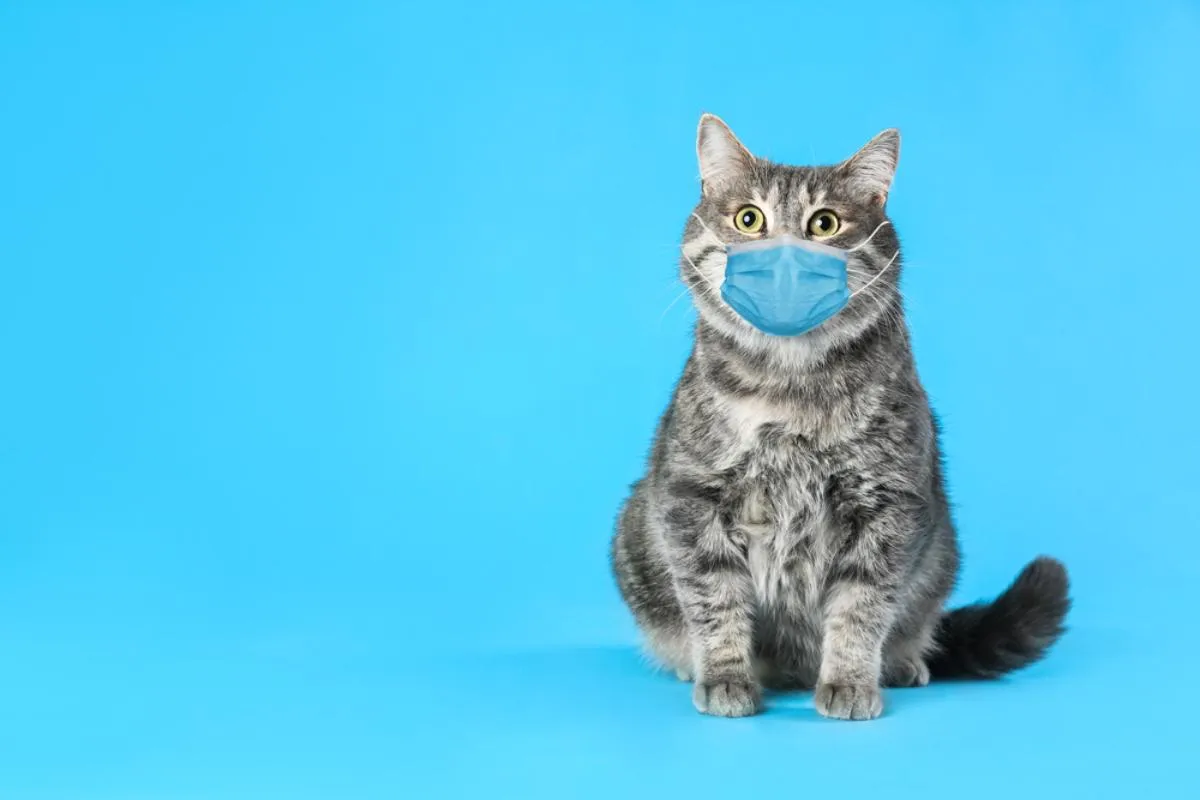
PM2.5 is dangerous to all pets, including dogs, cats and small animals. It triggers inflammation in the respiratory system, leading to chronic conditions such as asthma in cats. Pets can be protected from PM2.5 with HEPA air purifiers and by designing dedicated health-friendly spaces, such as a cat house with a dust-resistant structure
The PM2.5 problem has become part of everyone's life, especially in Bangkok and big cities where dust levels exceed the standard for months each year. What many may not have thought of is that, besides the health of people at home, pets such as dogs and cats are affected by PM2.5 just as much, and in many cases more severely, because pets cannot communicate symptoms clearly as people can. By the time you notice, the condition may be serious enough to need long treatment
What is PM2.5 and how does it affect pets?
PM2.5 is fine particulate matter no larger than 2.5 microns, dozens of times smaller than the width of a human hair. At this size the particles pass the body's natural filters, reach deep into the airways and air sacs, and some enter the bloodstream
For pets, especially cats and dogs living in cities, breathing in PM2.5 repeatedly when dust levels are high is a risk not to overlook. In homes where windows or balconies are open, or pets go outside often, direct exposure is even more likely
Is PM2.5 dangerous to pets?
The answer is “dangerous”, and not only in the short term
The harm PM2.5 does to pets starts with irritation of the airways. As dust builds up, it triggers inflammation of the airways and air sacs, leading to respiratory disease such as chronic bronchitis or asthma in cats
However, even in the same environment, PM2.5 does not affect every kind of animal equally
- Dogs The highest-risk group is flat-faced breeds such as Pugs or French Bulldogs, because their airways are short. PM2.5 makes breathing difficult and tires them easily, and may lead to heart and lung disease in older dogs
- Cats have respiratory systems sensitive to irritants. The very fine particles of PM2.5 are a main cause ofasthma in cats Symptoms start with a dry cough like bringing up a hairball, a sign that the lungs are being damaged
- Small animals such as rabbits, rodents or even birds have very delicate respiratory systems. Dust at levels where people still feel normal can quickly harm these animals
How to protect pets from PM2.5
If you want to protect your beloved pets from PM2.5, you can do so in these simple ways
Keeping dust out indoors
- Close gaps so dust cannot get in Check that door and window edges close tightly. If there are gaps, seal the joints with dust-proof rubber strips
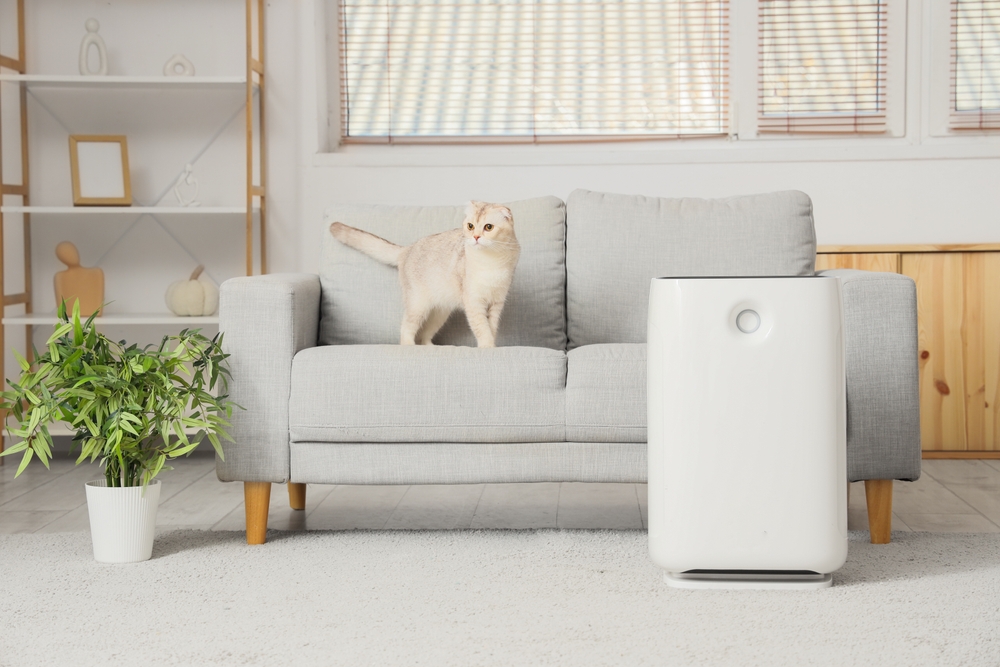
- Run an air purifier all the time and use one with a HEPA filter in the room where your pets spend most time, which significantly reduces dust in the air. Set the area up as a Safe Zone for pets to rest in when air quality is poor
- Check PM2.5 levels regularly through an air quality app or website. When dust is high, close doors, windows and openings that let in dust from outside
Managing outdoor areas
- Avoid taking pets out for walks or heavy outdoor exercise on days when dust is at orange or red level
- Design semi-outdoor spaces such as a porch, balcony or side-of-house area with a roof and partial wind walls, which reduce direct PM2.5 exposure while still giving pets a change of scene without feeling confined
Adding a cat house that is dust-free and pet-friendly
If you are planning an outdoor cat or dog house but worry about dust, we recommenddesigning a pet roomwith the following in mind
- Position Place it facing away from wind that carries dust directly from main roads
- Semi-enclosed structure Design it with solid wall sections and fine insect-screen sections, to reduce the dust carried in on the wind
- Close gaps to keep out dust The structure must be built with care, with joints between roof and walls sealed tight so dust cannot get through
- Materials must not hold dust Use high-quality stainless steel or aluminium with a smooth, glossy surface, because it is easy to clean and does not collect dust like wood or rough-surfaced materials
- Raise it off the ground Raising the cat house floor above the ground reduces breathing in dust stirred up from road or concrete surfaces
ROOVTECT builds outdoor cat houses, designed by professional engineers
If you are looking for a company forcat house construction or pet spaces that reduce dust exposure and suit Thailand's climate, ROOVTECT is ready to advise and build outdoor cat houses that put pet health first, covering PM2.5, ventilation and long-term safety
- Expert Design An understanding of pet behaviour and correct ventilation
- Premium Materials Materials that do not store heat or hold dust and withstand Thailand's climate
- Customization Designed to match the existing design of your home, with solid protection against dust and insects
For more information or a consultation, call 02-096-3464 or LINE OA: @roovtect
References: dust
- PM2.5 and pet health. Retrieved 18 February 2026 from https://arakanimal.com/articles/Particulate-Matter
More frequently asked questions about PM2.5 and pets (FAQs)
A: The early signs are more frequent coughing or sneezing, difficulty breathing or unusual breathlessness even with little movement, wheezing, red and inflamed eyes and nose, or lethargy and loss of appetite. If you see these signs, especially when dust levels are high, consult a vet at once, because the condition can worsen quickly
A: HEPA filters generally last as long as the manufacturer states, but when PM2.5 stays above the standard for a long period, the filter saturates much faster. Check its condition and you may need to change it more often than usual, to keep the purifier trapping as much dust as possible and maintain air quality in the pets' safe zone
A: A semi-enclosed structure has solid walls in some sections as a windbreak against dust-laden wind, and open sections fitted with fine insect screens or dust screens, with a much finer mesh than ordinary screens. The screens filter and trap dust carried on the wind while still allowing better ventilation than a fully closed space, and significantly reduce the dust entering the pets' rest area